|
A view of the doe pasture from the barn at
ANZ's Farm |
We have moved. The changes are more than location. We aren't an urban farm anymore -- we live in the country on 45 beautiful acres. We aren't primarily a dairy farm anymore -- we have added meat goats and herd guards. So with these changes comes a name change as well. Introducing ANZ's Farm.
 The Move
. This picture shows Betsy, piled high with the first of many loads.We looked like the Clampets, just without Granny in her rocking chair on the top of the pile. Our neighbors even took pictures. We aren't completely settled yet, but have made tremendous progress and can see the light at the end of the tunnel.
We downsized from a 2800-sq ft house to 1100 sq ft, a welcome exercise in being less materialistic. We have learned that the key is to use every inch of space wisely and modify space that does not fit our needs. Scott tore out a wall to turn a small, narrow closet into additional pantry space for all my canning, cheese making and kitchen necessities. The 3rd bedroom has become our home office, resulting in the loss of my "blue room" bedroom. And now I only have one bathroom to keep clean ... that's a plus!
 |
| Our Nigerian Dwarf goats enjoying their new home |
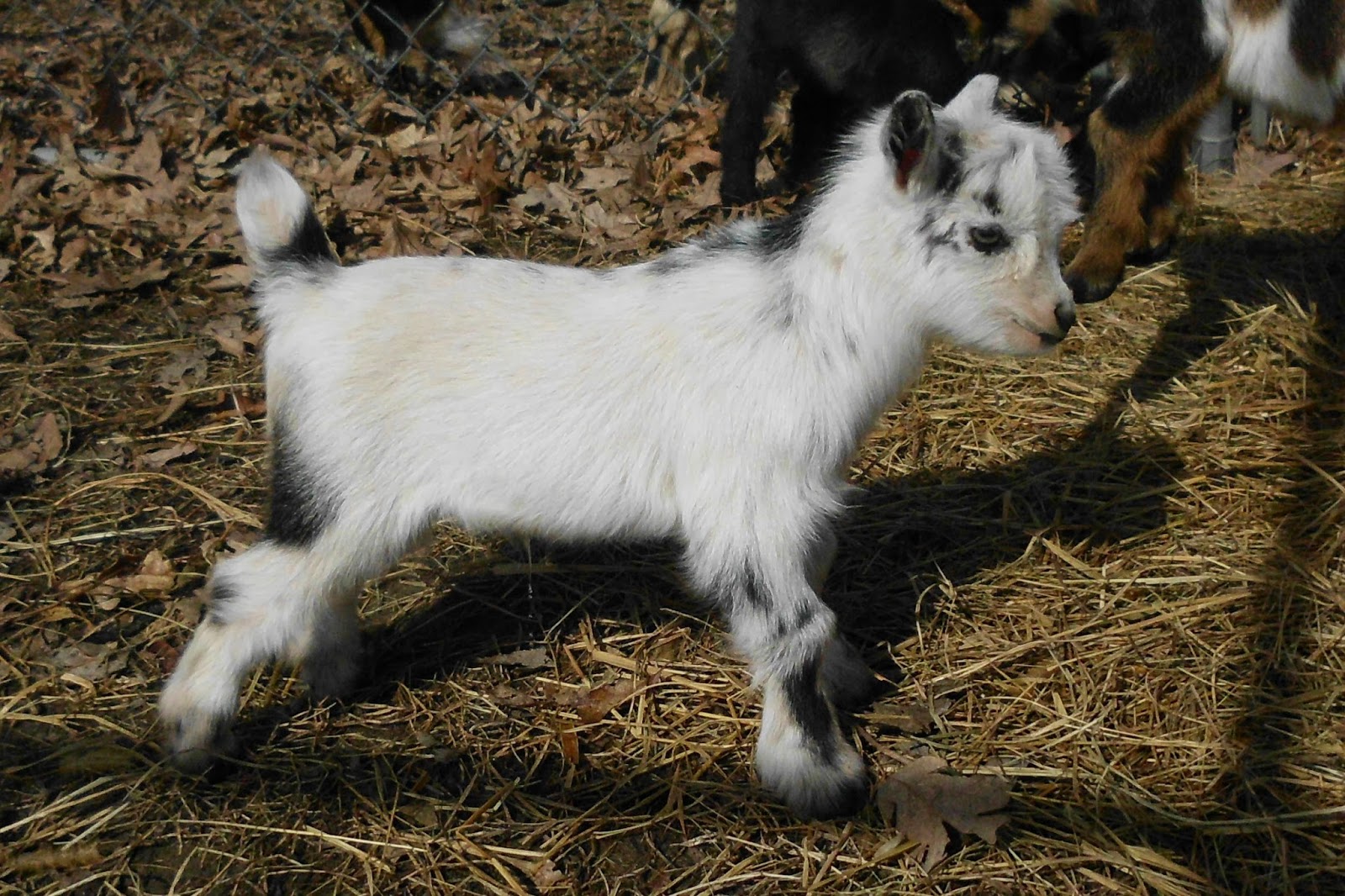
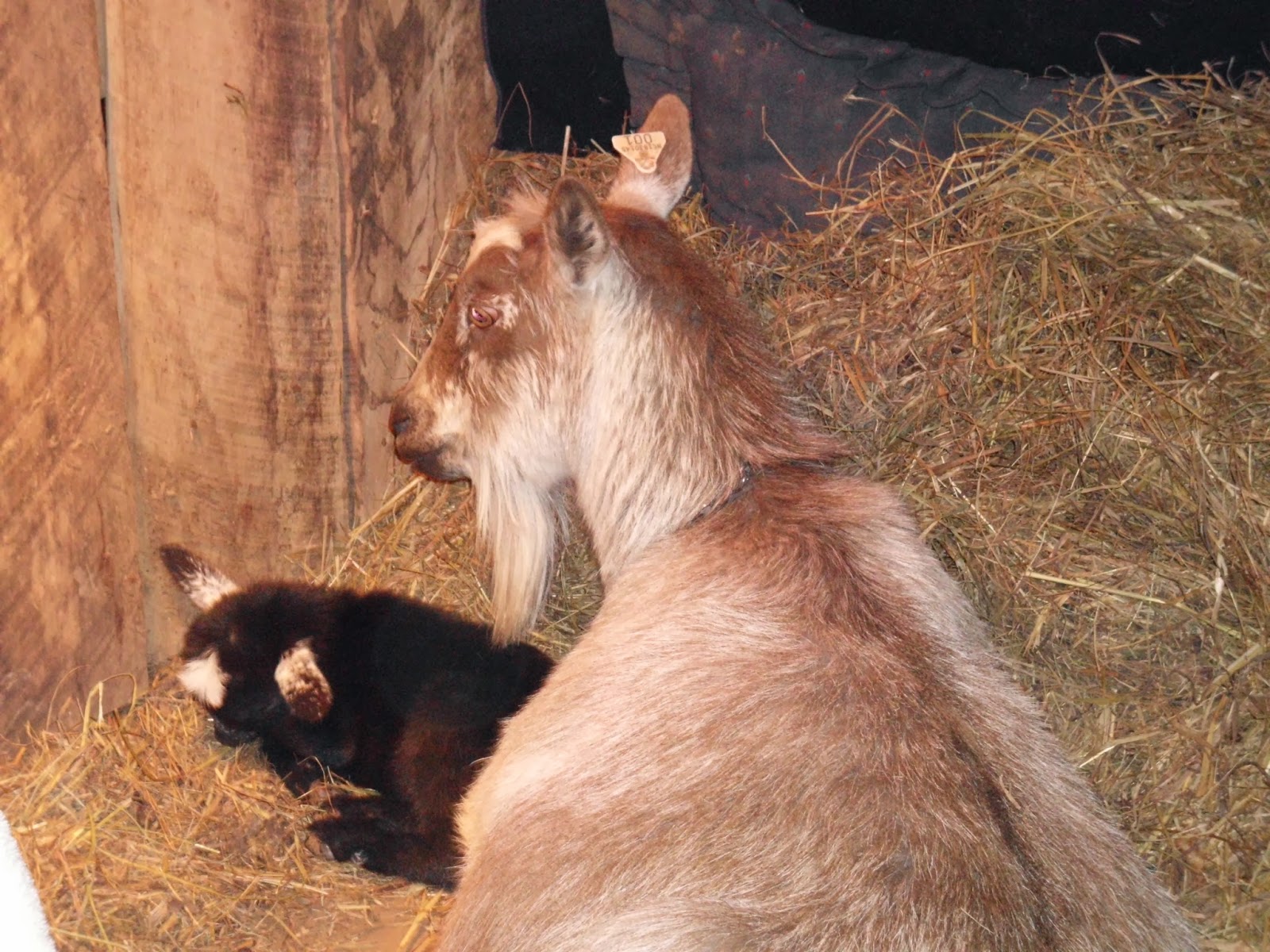
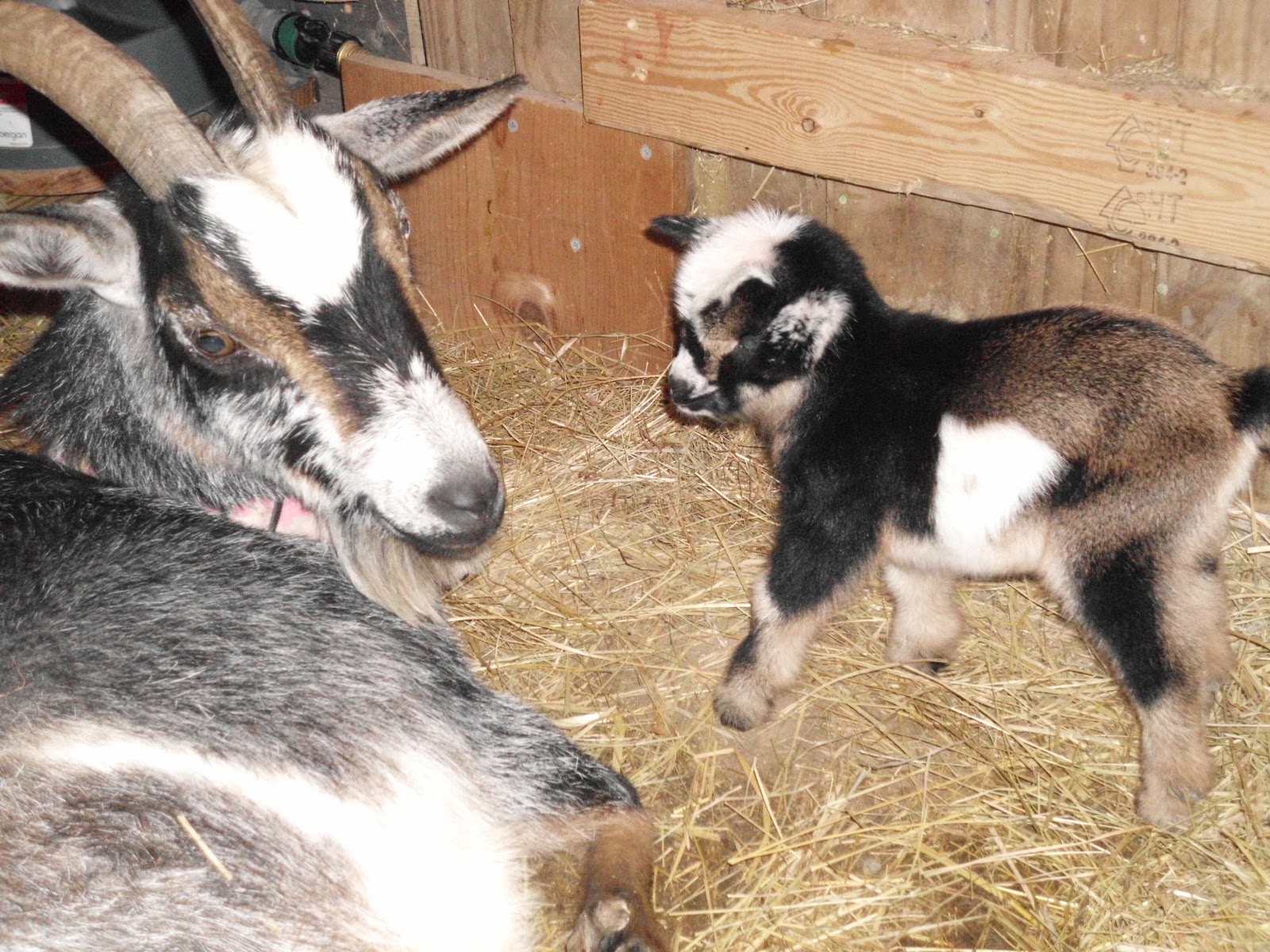
The Dairy Goats. Our Nigerian Dwarf goats seem so small in the 5-acre pasture they now call home. But they love it. Room to graze and browse. Fence lines with tasty weeds. Sunny spots for chewing their cuds on cool days and the shade of huge oak and black walnut trees when it's hot. Because of extenuating circumstances at their adoptive homes, we got back six of our spring kids, so all the extra room is nice.
Our intact buckling Dynamite resides across the back fence from the does, with his companion The Mixter (named for our favorite previous next door neighbor) and herd guard Donkey. He is the happy sire to our adult does, due late January/early February 2014.
The Meat Goats. We have expanded into meat goats. We have a 100% Kiko doe (front left in the picture) with twin Kiko/Savannah kids who are 4 months old. We have a Kiko/Savannah "teenager" (the beautiful girl in the center of the picture), the doe's kid from 2012. We are in search of a herd sire, preferable a Boer mix. Also pictured with them is their guard, Wilbur, my daughter-in-law Jess's donkey. What a sweetie he is!
 |
| Donkey |
The Donkeys. As our area of the country has coyotes, bobcats, black bear and other large predators, we chose to get donkeys instead of dogs. We have been on a huge learning curve about donkeys, to say the least! Without going into all the details, I will report that we have gone from not being able to get near them to not being able to get far enough away from them to take a good picture :)! Donkey, a young jack who still has his puppy fur (pictured right), guards the bucks. Wilbur, pictured above, guards the meat goats. And Sweetheart, pictured below, lives with her mom Elsa in the doe pasture.
 |
| Sweetheart |
This young jenny was anything but a sweetheart when we first got her. Scott named her that, hoping the spoken word would be prophetic. For example, in her frenzy from being separated from her mom, she got her hoof wedged in the stall door. Fortunately, before she broke her leg, we were able to free it, but not before she bit me. But Scott was right and she is living up to her name.
I am blessed that all I have are bruises to show for taming our feral donkeys. For anyone in a similar situation, our secret weapons were patience, carrots and a curry comb!
 |
| One of the barns on the property and our first harvest of hay |
Barns and Hay. Nothing says
farm more than barns and hay. There are 4 old tobacco barns on the property and a newer, 6-stall livestock barn. The only unfenced part of the property is a 10-acre hay field, located in some bottom land between the pond and the creek. A neighbor baled it for us the first week, since we haven't invested in a baler yet. (A side note: this same neighbor lived less that a couple miles from our first home in Raleigh. We got composted horse manure from him for our garden on Weaver Drive. Small world!) We got 17 4x5 round bales. Scott borrowed this same neighbor's spear to move the bales to storage at one of the barns. It feels good to have the barn full of food for the animals going into the winter months.
The Pond. We looked for just the right farm for over 3 years. My wish list included either a pond or stream ... some type of water. God, in His infinite goodness, allowed us to have both. The southern border of the property is a flowing, year-round creek. There is also a pond, which we are told is stocked with fish. Other issues are more pressing, so we haven't verified that yet, but one day we hope to relax by the pond with poles in hand.
The Chickens. Bless their hearts, they are still in Raleigh being cared for by our wonderful neighbor Wilma. Scott will bring the 2 young roosters and the 1-year old hens to the farm this week. The rest will be dinner for one of Wilma's workers. We have 6 chicks here that I have been caring for under the heat lamp. They are now feathered out and ready to go into the coop, which was transported from home and placed at the former owners hitching post area. I cringed a little when we cut down her aromatic cedar posts to make way for the coop. However, I don't ever see us getting into horses, so we modified the space to accommodate our needs. There is a spigot there for the automatic waterer, so it was really a no-brainer.
Everything Else. I was belated getting my fall garden planted. Pictured here are its meager beginnings. This little plot by the carport is fenced, so hopefully it will keep deer and other nibblers away. I have transplanted 5 blueberry bushes from our urban farm as well as a fig tree. I have planted lettuces and spinach in the area where the cold frames will eventually be built, Lord willing. I have a spot in mind for the grapevine, but that's as far as I have gotten with that. We will begin again and plant fruit trees in February, so I still have time to decide where they will go.